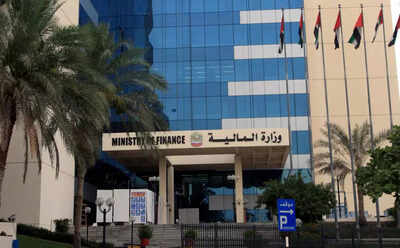


The UAE Ministry of Finance launched a major tax incentive allowing businesses to claim up to 50% tax credit on research and development (R&D) spending, marking one of the most significant policy moves since the introduction of corporate tax in the UAE.The scheme, rolled out as part of the country’s broader tax framework, is designed to reduce the tax burden for innovation-driven companies while strengthening the UAE’s position as a global hub for technology, manufacturing, and advanced industries.
UAE 2026 tax incentive rules explained
Under the newly introduced R&D tax incentive rules for 2026, eligible businesses can claim a non-refundable tax credit ranging between 30% and 50% on qualifying R&D expenditure.According to official statements from the Ministry of Finance, the credit is structured to:
- Apply to eligible R&D activities conducted within the UAE
- Cover expenses such as staff costs, materials, and innovation-related development work
- Be capped based on qualifying expenditure thresholds, with early-phase implementation focusing on controlled rollout
Unlike direct subsidies, the credit works by reducing a company’s corporate tax liability, meaning businesses pay less tax rather than receiving cash payouts.Officials emphasised that this is Phase 1 of the programme; future expansions are expected based on uptake and economic impact.
Why did the UAE introduce the 50% tax credit?
The incentive comes as the UAE continues to adapt after introducing a 9% corporate tax on profits above AED 375,000, a major shift in its economic model.By offering generous tax credits, authorities aim to balance taxation with competitiveness. The policy aligns with global frameworks, including OECD tax standards, while ensuring the UAE remains attractive to multinational firms and startups.In official commentary, the Ministry highlighted that the initiative will encourage private sector investment in innovation. Support high-value sectors like AI, clean energy, and advanced manufacturing. It will also strengthen the UAE’s knowledge-based economy goals under long-term strategiesThe message is clear: companies that invest in innovation will see direct tax savings, making the UAE a more attractive base for R&D operations.
Who is eligible?
The tax credit is not universal; it is specifically targeted at businesses engaged in genuine, measurable R&D activity.This includes companies working on:
- New product development or technological improvements
- Software, digital platforms, and engineering solutions
- Scientific or industrial research with commercial potential
Authorities have clarified that routine operational expenses or non-innovative activities will not qualify, ensuring the incentive supports real innovation rather than general business spending.
How do you claim the UAE tax credit ?
To benefit from the new rules, businesses must follow a structured compliance process under the UAE corporate tax system.First, companies need to identify and document eligible R&D activities, ensuring they meet the technical criteria defined by authorities. This includes maintaining clear records of project objectives, costs, and outcomes.Second, the qualifying expenditure must be calculated properly and reported in corporate tax filings submitted to the Federal Tax Authority. The credit is then applied to reduce the final tax payable.Third, businesses should ensure full compliance with documentation and audit requirements, as regulators may review claims. Incomplete or incorrect filings could lead to disqualification.Tax experts in the UAE advise companies to prepare early, align accounting systems, and seek professional guidance, especially in the first year of implementation.
Why does this matter for UAE businesses?
For companies operating in the UAE, the new tax credit represents a rare opportunity to significantly cut tax costs while investing in growth.Practically, a business investing heavily in R&D could reduce its effective tax burden well below the standard 9% rate, creating a strong financial incentive to innovate locally rather than overseas.As the UAE transitions into a more structured tax environment, policies like this show a clear direction “taxation is here to stay, but so are incentives for those who drive innovation”