
Shares of Xiaomi Corp. fell sharply in Hong Kong on Friday, dropping 8.6% to become the worst performer on the Hang Seng Tech Index, as concerns mounted that its refreshed electric vehicle could pressure margins. The decline came after a 9% rally earlier this week, driven by optimism around the launch and the company’s expanding artificial intelligence initiatives.
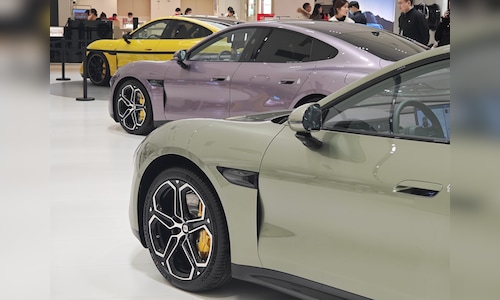
The selloff followed the debut of Xiaomi’s updated SU7 sedan, unveiled by Chief Executive Officer Lei Jun during a live-streamed event in Beijing. The new model is priced from 219,900 yuan (about $31,869), just 1.9% higher than the previous version, despite significant upgrades in hardware, safety and performance.
Analysts said the small price increase may not be enough to offset rising input costs. “With all the upgrades, the material costs for the second-generation SU7 increased by 20,000 yuan, while the price only increased 4,000 yuan,” noted Eugene Hsiao, strategist at Macquarie Capital, highlighting potential margin pressures, according to Bloomberg. Market watchers also pointed out that rising costs for batteries, lithium and memory chips are likely to affect profitability across China’s EV sector.
Despite concerns, the new SU7 attracted strong demand, with Xiaomi reporting 15,000 confirmed orders within 34 minutes. The refreshed sedan offers a driving range exceeding 900 km in the Pro variant, a more powerful motor, redesigned interiors, LiDAR across all variants, and upgraded AI-powered driver assistance systems.
Xiaomi entered the EV market in 2024 and has delivered over 600,000 vehicles so far, competing with Tesla and BYD. The company targets 550,000 deliveries in 2026 but faces challenges from intense domestic competition, rising input costs, and declining consumer incentives, even as it prepares to expand exports to Europe in 2027.
Also Read: Mystery AI model revealed to be Xiaomi’s following suspicions it was DeepSeek V4