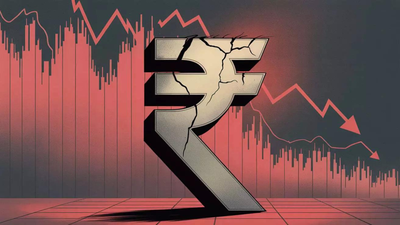

The slide reflects a combination of global and domestic forces that have heightened demand for dollars while weighing on the local currency.
Geopolitical tensions in West Asia
The ongoing conflict in the Middle East, particularly linked to Iran, has disrupted energy supplies and raised global risk aversion. Heightened uncertainty drives investors toward safe-haven assets, strengthening the US dollar and putting additional pressure on emerging market currencies like the rupee.
Rising crude oil prices
India imports nearly 89% of its crude oil. Brent crude spiked to around $119 per barrel on March 19, before easing to about $108 on Friday. Higher oil prices increase India’s import bill, widening the current account deficit and creating additional demand for dollars to settle payments.
Abhishek Bisen, Head of Fixed Income at Kotak Mahindra AMC, notes, “Disruption to global energy supplies has pushed Brent crude higher, adversely impacting India’s terms of trade. Sustained elevated oil prices could challenge India’s growth–inflation dynamics and add pressure on the rupee.”
Stronger US dollar globally
The dollar index, which tracks the greenback against a basket of six major currencies, rose 0.17% on Friday, reflecting global demand for the US currency amid geopolitical and economic uncertainty. A stronger dollar automatically increases the cost of imports for India and intensifies downward pressure on the rupee.
Foreign fund outflows
Foreign institutional investors have been selling Indian equities aggressively, with net outflows of ₹7,558 crore reported on Thursday. Outflows reduce demand for rupees in foreign exchange markets, contributing to depreciation.
Historical context and RBI intervention
The rupee has been gradually weakening over the years, reflecting structural pressures such as trade deficits, dependence on imported oil, and inflation differentials with the US.
In March alone, the Reserve Bank of India (RBI) is estimated to have sold over $15 billion to support the currency. Intervention typically intensifies toward the financial year-end, which may provide short-term stability but is unlikely to fully offset global pressures.