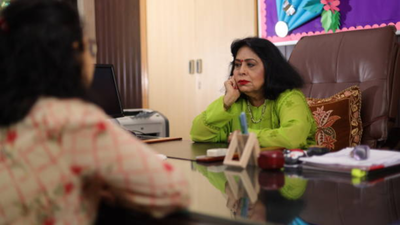


The PTM ends in school.But for the child, it doesn’t really end there. The real part begins on the way back home.Sometimes it starts immediately.In the car. On the bike.While walking out of the school gate.There’s always that one question waiting.“So… what was that about?”And children are already prepared for it.Because while the teacher was speaking, they weren’t just listening. They were also watching. Watching their parent’s face. Trying to read it.Did they agree?Did they look upset?Did something change?By the time the PTM ends, the child already has a sense of how the next conversation might go.And that conversation matters more than the meeting itself.Some parents go straight to marks.“Why did you lose these marks?”“You should have done better here.”Some move to behaviour.“Why are you talking in class?”“You need to focus more.”The intention is not wrong. Parents are trying to help. They want the child to improve.But the way the conversation happens decides what the child takes from it.Because in that moment, children are not just listening to what is being said. They are deciding what it means about them.If the conversation feels like blame, they remember the mistake.If it feels like support, they remember that they can improve.There’s a small shift that changes everything. Instead of starting with what went wrong, some parents begin differently. “What do you think about what the teacher said?”It sounds simple, but it gives the child space.They start talking. They explain. They reflect in their own words. And suddenly, the conversation is not one-sided anymore. Instead of saying, “You need to improve this,” it becomes, “How do you think we can work on this?”Now it’s shared.Some children open up easily.Some take time.Some need silence before they speak.However, a conversation takes a different dimension when they feel that they are not judged but heard.One more thing that helps is to focus on what went well, not only what did not.“Your teacher said you’re consistent.”“You’ve improved here.”These things don’t reduce the need to improve. They make it easier to try again.Because when everything becomes about correction, children start associating effort with pressure.And then they stop enjoying the process.Teachers give feedback during PTMs hoping it helps the child grow. But what happens after that decides how the child actually receives it.For some children, the ride back home feels heavy.For others, it feels manageable.The difference is not in what the teacher said.It’s in what the parent chose to say next.Because in the end, children don’t remember the exact words from the PTM.They remember how they felt after it.