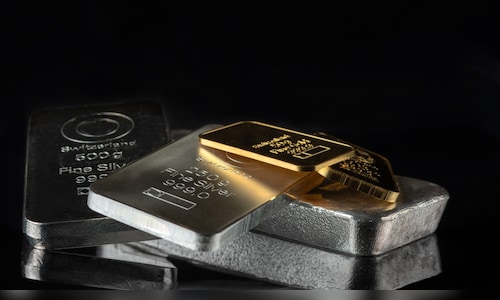

This means silver is significantly undervalued compared to gold.
The gold-silver ratio shows how many ounces of silver it takes to buy one ounce of gold. Historically, this ratio has averaged around 60 to 70.
A higher number indicates gold has become more expensive relative to silver.
Tata Mutual Fund’s gold outlook highlights several factors driving the current gold rally.
Central bank buying, inflation fears, geopolitical tensions, and a weaker US dollar are pushing demand. Inflows into gold-backed ETFs are also rising, with global projections of 450 metric tons in 2025.
However, silver has not kept pace.
Its strong link to industrial demand, especially in electronics and solar energy, has made it more vulnerable to global growth concerns.
This divergence has pushed the gold-silver ratio to historically extreme levels.
For investors looking to buy precious metals this Akshaya Tritiya, the gold-silver ratio can be a useful guide. A higher ratio often signals a potential opportunity in silver, especially for those with a medium to long-term horizon.
The Tata Mutual Fund report suggests that while gold remains a strong safe haven, silver may offer better value at current levels. As always, investors should consider portfolio needs, market trends, and risk appetite before making decisions.
Akshaya Tritiya is traditionally seen as an auspicious time to invest in gold and silver. This year, a closer look at the numbers may help investors strike a better balance.
First Published: Apr 17, 2025 4:37 PM IST