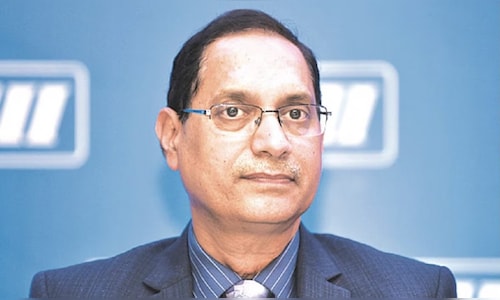
According to Sumit Pokharna of Kotak Securities, the allocation of cheaper domestic APM (Administered Pricing Mechanism) gas is gradually declining. Around three million metric standard cubic meters per day (mmscmd) of gas from Oil and Natural Gas Corporation (ONGC) has now been classified as “new well gas,” which is priced higher as it is linked to global crude oil prices — about 12% of the crude oil benchmark. This is a shift from the current APM gas rate of $6.75 per MMBtu.
The APM gas allocation to CGD companies such as IGL and MGL was cut again on April 15 between 18% and 20%, reducing the total allocation to 40% from 51%.

This shift in allocation from APM gas to new well gas is a new normal. CGD companies like IGL and MGL will now have to adapt to the rising input costs, and will need to raise CNG prices by ₹1.50–2 per kg to maintain margins, Pokharna said.
However, he believes that the Delhi EV policy and broader EV adoption trends could limit the ability of CGD companies to pass on costs. These companies are caught between rising input costs and pricing pressures due to political compulsions and substitutes like petrol, diesel, and EVs, he said.
While a price hike of ₹1.50–2 per kg could theoretically help IGL and MGL maintain margins, Pokharna emphasised the risk of reduced fuel conversion rates if the price differential with liquid fuels narrows too much.
Kotak Securities has maintained a negative outlook on IGL and MGL for over a year, advising investors to reduce exposure due to the structural shifts in the gas allocation policy and the intensifying competition.
He said that the impact of the gas allocation shift varies across CGD players. Gujarat Gas, which has a greater reliance on industrial volumes, is more exposed to international gas prices rather than domestic APM gas.
For the full interview, watch the accompanying video
Catch all the latest updates from the stock market here
First Published: Apr 16, 2025 2:40 PM IST