
The Dutch company, which counts Taiwan Semiconductor Manufacturing Co and Intel Corp among its biggest customers, reported bookings of €3.94 billion ($4.47 billion) in the three months through March, it said in a statement on Wednesday. Analysts on average expected €4.82 billion, according to data compiled by Bloomberg.
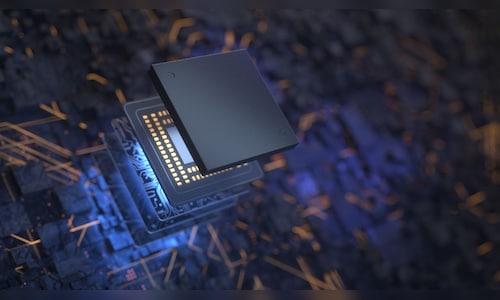
ASML is the sole producer of cutting-edge lithography machines used by semiconductor companies to make advanced chips for various products, including Apple Inc.’s smartphones and Nvidia Corp.’s artificial intelligence accelerators.
The company has benefitted from an artificial intelligence boom that has seen tech giants invest billions of dollars in chips and data centres to power the emerging technology. This has allowed ASML to project revenue ranging between €44 billion and €60 billion in 2030. But concern over a potential slowdown in AI demand has intensified after disappointing outlooks from some chipmakers and analyst warnings, compounded by looming US tariffs.
“The recent tariff announcements have increased uncertainty in the macro environment and the situation will remain dynamic for a while,” ASML’s Chief Executive Officer Christophe Fouquet said in the statement.
Fouquet said the firm’s “conversations so far” with customers support its expectation that 2025 and 2026 will be growth years driven by AI investments.
ASML outlined various ways US tariffs could impact the business, including additional charges on shipments of new systems, tools and parts imported into the country. Another possible risk is other countries “imposing tariffs on things that are being shipped from the United States into these countries,” Chief Financial Officer Roger Dassen said in a video accompanying the results.
Also Read: Donald Trump initiates chips and drug probes ahead of more tariffs
The company’s extreme ultraviolet lithography, or EUV, machines accounted for €1.2 billion of net bookings in the quarter.
China accounted for 27% of ASML’s net system sales in the first quarter, retaining its contribution from the preceding three months. That makes it the company’s second-biggest market during the quarter.
The first quarter results come two weeks after US President Donald Trump announced tariffs on all exporters to the US, which sparked a selloff in stocks on fears of an economic downturn, weakening consumer demand and uncertainty over an escalating trade war. Analysts had warned that the move would impact chip demand and, in turn, the investment plans of ASML’s clients.
Last week, the Trump administration exempted certain products, such as smartphones, computers and machines used to make semiconductors, from its so-called reciprocal tariffs. It excluded these products from the 125% tariff on China and the president’s baseline 10% global tariff on nearly all other countries. But on Monday, the US Commerce Department said it had begun investigating the impact on US national security of “imports of semiconductors and semiconductor manufacturing equipment”, a precursor to imposing tariffs.
ASML said it continues to expect 2025 total net sales to be between €30 billion and €35 billion and a gross margin of between 50% and 53%.
ASML shares have fallen about 34% over the last 12 months through Tuesday’s close.
Also Read: Donald Trump says he plans stipends as part of self-deportation programme