
The commission also plans to meet with senior members and party presidents at a time that works for both parties to further improve election procedures in compliance with the law.
“The Election Commission of India has invited suggestions from all national and state political parties by April 30, 2025, for any unresolved issues at the level of ERO, DEO or the CEO, as the case may be,” the Election Commission said in a statement.
The commission also looks forward to an interaction with the party presidents and senior members, at a mutually convenient time, to further strengthen electoral processes in accordance with the established law, it added.
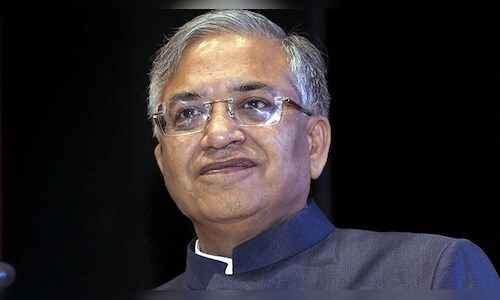
The statement further read, “Earlier, during an ECI conference last week, Chief Election Commissioner Shri Gyanesh Kumar had instructed CEOs, DEOs and EROs of all States/UTs to hold regular interactions with political parties, resolve any suggestions received in such meetings strictly within the legal framework already in place and submit an action taken report to the Commission by March 31, 2025. The commission also urged political parties to proactively use this mechanism of decentralised engagement.”
The Election Commission of India has invited suggestions from all National and State political parties by April 30 for any unresolved issues. The Commission also envisaged an interaction with the Party Presidents and senior members at a mutually convenient time to further… pic.twitter.com/0VFNt6j5wq
— ANI (@ANI) March 11, 2025
The move comes after the opposition accused the Election Commission of changing or manipulating the voter list during last month’s assembly election in Delhi. They also criticised the poll body over some voters having duplicate ID cards.
The EC confirmed in response to media reports and social media posts that although some voters may have the same EPIC number, their polling booth, assembly constituency, and demographic information are still different.
The poll body said that any elector can cast a vote only at their designated polling station in their respective constituency in their state/UT where they are enrolled in the electoral roll and nowhere else, irrespective of the EPIC number.
(Edited by : Sudarsanan Mani)