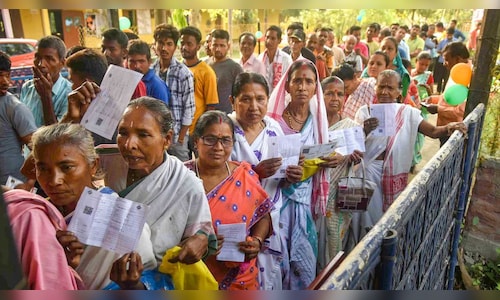

With around 35 lakh voters, the community holds sway in over 35 seats, primarily in eastern Assam, and can influence results in at least 10 more in the 126-member assembly.
Their longstanding demands, including Scheduled Tribe (ST) status, higher daily wages, and land rights, have once again taken centre stage in the political discourse.
The ruling BJP has highlighted its welfare measures over the past decade, claiming significant improvements in the living conditions of tea garden workers.
The party has particularly emphasised its move to grant land rights within tea estates.
“The community is no longer treated as second-class citizens. From education to infrastructure, tangible progress has been made,” said Dulen Nayak, president of the BJP Tea Morcha, pointing to initiatives such as schools, roads, and welfare schemes.
The BJP also underlined wage hikes during its tenure, from ₹126 in 2016 to ₹280 in the Brahmaputra Valley, and from ₹105 to Rs 258 in Barak Valley, and has promised to raise wages to ₹500 in phases if re-elected.
Additional measures include job quotas, reserved seats in medical colleges, and promotion of cultural heritage like the Jhumoir dance.
Contesting these claims, the opposition Congress argued that improvements have not translated into meaningful change on the ground.
Atuwa Munda, president of the Assam Cha Mazdoor Adivasi Congress, dismissed the land rights initiative as superficial.
He alleged that the recently distributed “digital pattas” lack legal validity and due process, warning they could create future disputes between workers and tea garden managements.
“These are election-time optics rather than sustainable solutions,” he said.
Munda also criticised the BJP for failing to deliver on key promises, particularly granting ST status and raising wages to Rs 351.
While acknowledging the recent hike to ₹280, he argued that a one-time financial assistance of ₹5,000 to workers offered little long-term relief.
“The government should have ensured structural wage reforms through sustained engagement with tea garden owners,” he added.
In its poll manifesto, the Congress has pledged to grant ST status to the community and revive the tea sector with industrial minimum wages and expanded welfare benefits.
Meanwhile, smaller players like the Jharkhand Mukti Morcha (JMM) have also entered the fray, aiming to tap into the tea tribe vote base, though their electoral impact remains uncertain.
Despite aggressive outreach from all sides, core issues such as ST recognition and substantial wage increases remain unresolved. For now, the tea tribe community appears to be weighing its options carefully, aware of its decisive electoral clout in shaping Assam’s political future.
Assam will vote on April 9, and the counting will be held on May 4.