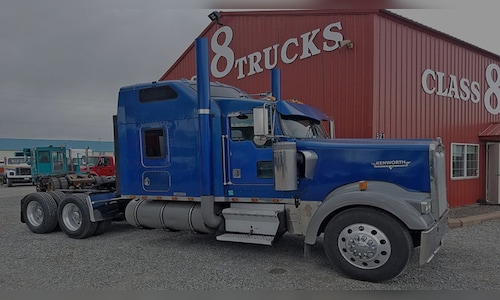

According to data released by FTR Intelligence, Class 8 net orders totalled 12,000 units in May, marking a 40% increase from April’s notably low figure. However, the improvement offers only limited relief: orders were still down 47% year-over-year and significantly below the seven-year May average of 18,319 units. In fact, this marks the lowest May net order total since 2020, a year defined by pandemic-induced disruption.
Through the first five months of 2025, Class 8 net orders have totalled 2.6 lakh units on a trailing 12-month basis, indicating softness in the market despite pockets of sequential gains.
North America is one of Bharat Forge’s largest export markets, particularly in its industrial and commercial vehicle segments. For this Baba Kalyani-led company, high-single-digit to low-double-digit percentage of consolidated revenues are tied to the North American Class 8 truck market.
The sequential improvement in May is partially attributed to recent policy shifts. In particular, the temporary easing of steep tariffs announced in early April — most notably the reduction of tariffs on Chinese goods from 145% to 30% — appears to have lifted sentiment marginally among fleet operators and truck original equipment manufacturers (OEMs).
This easing likely prompted some fleets to cautiously resume order activity, especially those that were holding off due to cost uncertainties around imported parts and truck components. However, even with this month-on-month lift, the year-on-year figures illustrate continued weakness in end-market demand and capital investment from the trucking sector.
Despite the May uptick, underlying metrics continue to paint a bearish picture. Net orders for the 2025 calendar year were down 32% year-on-year through May, while retail truck sales declined 11% year-on-year through April. This indicates that much of the activity in May may reflect a brief release of pent-up demand rather than a fundamental market turnaround.
According to Dan Moyer, Senior Analyst for Commercial Vehicles, the Class 8 market continues to be weighed down by volatility in global trade policies, legal disputes over emergency tariffs, and concerns around the future of environmental regulations. “Tariff volatility and uncertainty over the economy and the truck freight market continue to disrupt the North American Class 8 truck and tractor market,” Moyer said.
He highlighted that legal challenges over reciprocal tariffs and those tied to fentanyl-related imports, as well as discussions around the implementation of Section 232 tariffs on Classes 4–8 trucks and components, are contributing to uncertainty among fleet operators. These potential tariffs if enacted, could significantly raise costs for imported trucks and parts, disrupting supply chains and delaying investment decisions further.
Additionally, the industry is closely watching anticipated changes to the Environment Protection Agnecy’s (EPA) 2027 nitric oxide emissions standards, which would require substantial redesign and reengineering of Class 8 vehicles. This regulatory overhang is causing many fleets to delay large-scale equipment purchases, waiting for clearer guidelines or transitional support from the government.
Also Read: Bharti Airtel shares may rise to ₹2,350: Macquarie ascribes a 40% probability to this scenario