
The Vote Vibe findings highlight a growing discontent among Mumbaikars—not only due to the prolonged absence of elected corporators but also with the functioning of administrators who have been in charge for over two years. Many residents feel neglected, unheard, and frustrated with what they view as an inefficient civic system.
“There’s no one to hold accountable. The roads are broken, the drains are clogged, and nobody is answerable,” said Rukmini Sharma, a schoolteacher from Kurla. “We miss the days when we could approach our corporators directly.”
While the BJP is relying on its organisational strength and coordination between the state and central governments to promote its “development-first” message, the Vote Vibe survey suggests the contest is not one-sided. SHS-UBT, though structurally weakened after the split, continues to receive support—especially in Marathi-dominated areas where Balasaheb Thackeray’s legacy remains influential.
One prominent trend in the survey is the emotional value associated with the Thackeray name. Aaditya Thackeray’s outreach and Uddhav Thackeray’s grassroots presence have helped maintain political relevance for their faction. “Mumbai belongs to Balasaheb. His family still speaks our language,” said Vinay Pawar, a 38-year-old resident of Dadar.
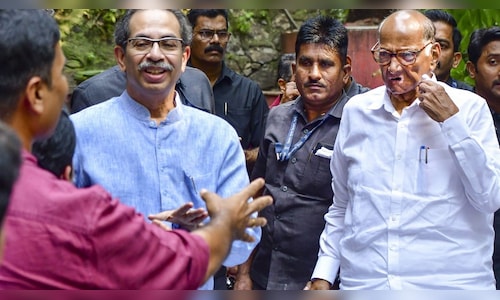
The prospect of Uddhav and Raj Thackeray coming together—though limited to public statements so far and with no official discussions underway—has received unexpected voter support. Many believe a united Thackeray front could revitalise the Shiv Sena brand and restore its central role in Mumbai’s politics. In areas such as Goregaon and Girgaon, supporters of both leaders have put up banners urging unity for the benefit of the Marathi Manoos. Even the Shiv Sena (UBT) mouthpiece Samana quoted Uddhav Thackeray as saying, “What is there is in the heart of Marathi Manoos, it will happen.” Samana also featured an old photograph of Uddhav and Raj Thackeray sitting together from the time when Raj was part of the undivided Shiv Sena.
At the same time, the BJP’s alliance with the Eknath Shinde-led Shiv Sena faction may face resistance due to this rising emotional sentiment. While Shinde’s group has official recognition, the Vote Vibe survey indicates that voter perception of legitimacy remains uncertain.
This dissatisfaction is not limited to specific parties—it reflects a broader systemic issue. The absence of elected representatives, unmet civic expectations, and deteriorating public infrastructure have led to growing demand for change. In this environment, the party that can credibly offer both performance and emotional resonance is likely to gain an advantage.
For the Congress and the NCP (Sharad Pawar), the challenge is to maintain relevance. Although their roles appear limited in the current discourse, their decisions on alliances and targeted campaigning could influence results in closely fought wards.
As campaigning intensifies, the Vote Vibe survey indicates that Mumbai is not only voting for development—it is also voting for dignity, accountability, and identity. Whether the BJP can convert its lead into votes or the Thackerays can transform sentiment into support remains uncertain. However, the 2025 BMC elections are shaping up to be a defining chapter in the city’s political journey.