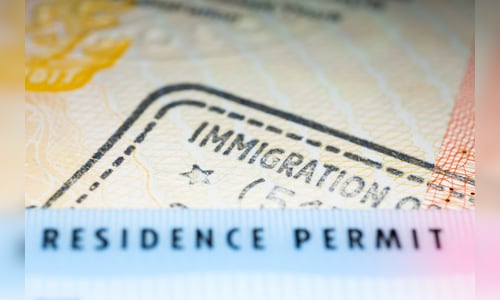

US Citizenship and Immigration Services on Thursday limited work permits for asylum seekers and others with temporary legal status to 18 months. Current rules allow for as many as five years of employment authorisation.
The new restrictions on work permits will allow for more frequent opportunities for the federal government to re-vet — and potentially reject — applicants.
“It’s clear that USCIS must enforce more frequent vetting of aliens,” the agency’s director, Joseph Edlow, said in a statement. “All aliens must remember that working in the United States is a privilege, not a right.”
The proposal intensifies broader efforts by the Trump administration to terminate or restrict humanitarian benefits for immigrants. It comes days after Rahmanullah Lakanwal, an Afghan national living in the US, was charged in the shooting of two National Guard members in Washington, DC.
USCIS earlier this week also said it would pause all immigration requests from 19 countries listed on a travel ban imposed this summer, which includes Afghanistan, Myanmar, Haiti, Sudan and others.
Also Read: OpenAI, NextDC plan to build $4.6 billion Sydney data centre
The administration is also expected to expand that list to about 30 countries, Bloomberg previously reported. The US will also launch a “comprehensive re-review” of approvals granted to people from those nations who entered the US on or after the start of former President Joe Biden’s term in 2021, USCIS said in a policy memorandum.
Trump, in a post on social media following the shooting said that he would move to “permanently” pause migration from “all Third World Countries.”
Work Visas
USCIS already halted processing of some green card applications as it looked to heighten scrutiny of those seeking permanent residency, Bloomberg reported in March.
The policy change announced Thursday won’t affect foreign workers, including H-1B visa holders, who receive employment authorisation as part of their status. The Trump administration earlier this year announced a plan to impose a $100,000 application fee for those high-skilled worker visas.
Shortening the validity of work permits would require asylum seekers and other immigrants to renew those documents more frequently, putting more pressure on USCIS to process applications. That could result in applicants losing employment authorisation while they’re stuck in administrative backlogs.
Delays for immigrant petitions, work permits and other petitions at USCIS hit a 10-year high this year as the agency focused more on enforcement operations. Case completion rates through the third quarter of 2025 lag behind those during Biden’s tenure, according to agency data.