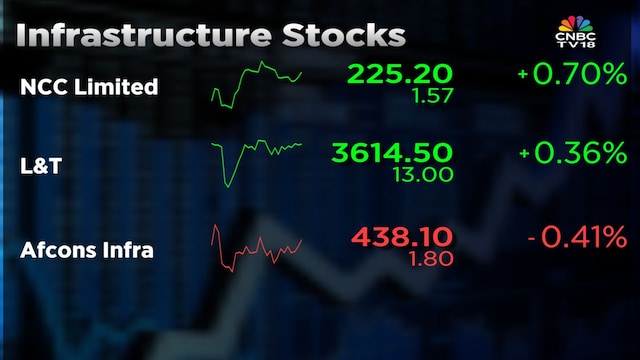

“We prefer companies which are diversified in nature, present in irrigation, metro buildings, power transmission, energy,” Shah added.
In contrast, companies focused only on road projects may face headwinds, as no major contracts were awarded in the June quarter. This could be due to the government’s shift in contract models—from EPC and hybrid annuity to BOT (Build, Operate, Transfer).

On the policy front, the government has announced a new ₹3,000 FASTag annual pass, starting August 15, 2025. This pass, available only for private vehicles like cars, jeeps, and vans, will cover 200 trips on national highways.
Shah noted that last year’s toll collection stood at ₹65,000 crore, marking a 35% year-on-year rise. Most of this increase came from better compliance with FASTag usage, which helped reduce leakages and waiting times at toll booths, improving overall connectivity.
She added that while nearly half of all FASTags are issued to private vehicles, they contribute only about 20% of toll revenue. However, private vehicles make up around 60% of peak-hour traffic.
The new pass aims to ease congestion during these hours without significantly affecting toll revenues, as commercial vehicles—which are excluded from the scheme—generate most of the income.
The pass is valid for one year from the date of activation or for up to 200 trips, whichever is earlier. It is applicable only to non-commercial private vehicles.
Total 1,228 toll plazas are covered under FASTag programme.
Follow our live blog for more stock market updates