
At the core of their India strategy are private banks, which remain the largest holding in the portfolio. “I have been hopping on the private banks for quite some time now, and that stance hasn’t changed. I mean, if we are going to have growth in investments and consumption, that will have to be financed largely by the private banks, which are gaining in terms of market here,” he added.
Another area of focus is consumer discretionary stocks. This includes four-wheeler manufacturers and premium retail segments such as jewellery. Tourism-related companies are also part of this bucket, as they benefit from rising incomes and increasing domestic travel.
The firm also maintains a tactical exposure to Indian IT services. Raychaudhuri said, “We think that the valuations are now in favour of investors, and if we do have good at the US corporate performance turning better, particularly for banks and, you know, the other service sector that would have a positive tailwind for Indian IT service companies.”
Read Here | Gautam Shah sees midcaps and smallcaps stealing the show for the rest of the year
Additionally, the portfolio includes names in telecom, petrochemicals, and large conglomerates, although specific companies were not disclosed.
On the industrials side, Raychaudhuri said Emmer Capital holds a significant allocation, including companies focused on defence manufacturing. He acknowledged the sector’s strong future growth potential but flagged high valuations as a concern. According to him, much of the expected upside is already priced in. Even if the companies deliver on growth, their stock prices may not rise significantly in the near term. Instead, the sector might go through a period of sideways movement, or what he described as a “time correction.”
The firm is currently avoiding sectors like consumer staples and metals and mining in the firm’s Asia Ex-Japan portfolio. He believes that consumer staples do not offer attractive valuations when measured against their expected earnings growth, making them less appealing to investors at this stage.
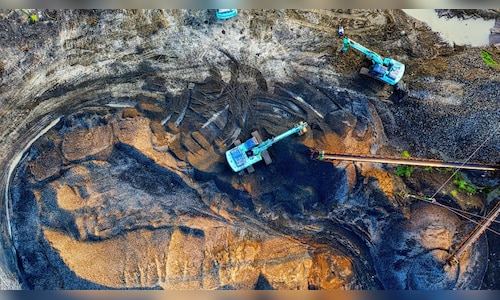
Metals and mining are also excluded from the portfolio, although Raychaudhuri noted that some segments within this space—such as copper—could perform better if there is a broader global pickup in infrastructure spending. Copper, in particular, is seen as a key indicator of infrastructure activity.
For full interview, watch accompanying video
Catch all the stock market live updates here