
Mittal flagged two key concerns: the gradual decline in cheaper administered pricing mechanism (APM) gas allocation and the aggressive electric vehicle (EV) policy push, especially in Delhi.
He explained that as APM gas supply declines by around 6-7% annually, it is being replaced by higher-cost alternatives like liquefied natural gas (LNG). “Most of this APM allocation has to be replaced by LNG imports, which is at least 50 to 70% higher than the APM prices,” Mittal said, pointing out the squeeze on margins over the long term.

Mittal was also cautious on oil marketing companies (OMCs), despite softer crude prices offering short-term relief. He stated that the sector’s outlook depends on two factors—where crude prices settle and whether the government decides to cut fuel prices or raise excise duty.
Also Read: IGL confident of 10-15% annual growth in core business over next five years
“We are structurally negative on OMCs more because of the huge capex… which tends to be value destructive,” he said.
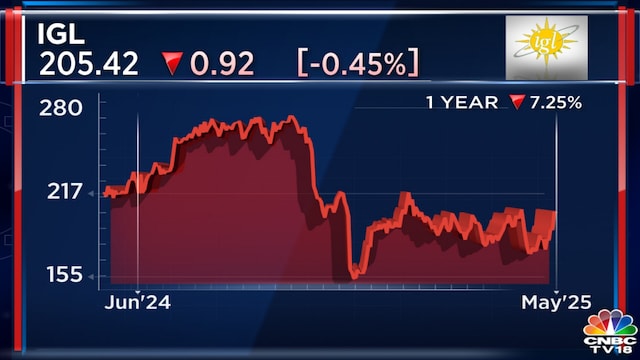
While he maintained a structurally bearish view on IGL and MGL, he acknowledged that low valuations—trading at 13–14 times P/E—could lead to temporary trading bounces.
Mittal was more constructive on GAIL, citing the likely 30–35% upward revision in pipeline tariffs and stable long-term growth. “It’s a matter of time before that hike comes,” he said, referring to the tariff reset by the regulator. He also expects GAIL to benefit from rising gas usage in India’s energy mix, which could drive 5–6% annual growth in transmission volumes.
Also Read: Tata Power sees global opportunity for solar module exports
While GAIL is a top pick for JM Financial in the gas space, Mittal remains cautious on the broader oil and gas sector due to regulatory and structural headwinds.
For the entire interview, watch the accompanying video
Catch all the latest updates from the stock market here