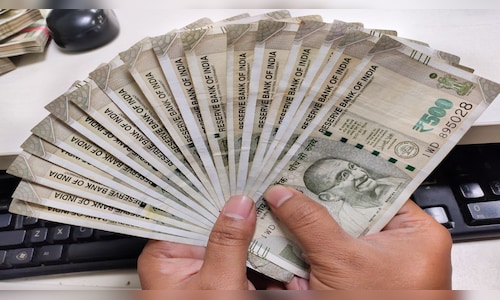

The report estimates that over 95% of India’s student remittances — worth ₹85,000 to ₹93,500 crore every year — still move through traditional banks. These banks usually add a 3–3.5% markup on currency exchange rates and take 2–5 days to process transfers.
A family sending ₹30 lakh abroad may pay an extra ₹60,000–75,000 each year due to these additional costs. For many, this money could cover living expenses, more courses, or emergency needs for students.
India now sends the highest number of students to the US, overtaking China in 2024. Indian students make up about 30–35% of international enrolments in top destinations such as the US, UK, Canada, Australia, and Germany — a sharp rise from 11% a decade ago.
The report warns that as families double their spending on international education by 2030, awareness of hidden costs in overseas money transfers will become more important.
Students say bank delays and unexpected deductions often create stress when paying fees or rent abroad. Some now choose services that show exchange rates clearly, disclose total fees upfront, and process payments faster.
How families can reduce remittance costs:
- Compare exchange rates with the mid-market rate you see on Google or trusted sources.
- Don’t just check upfront fees — look at the total amount the student will actually receive.
- Pick services that offer transaction tracking and faster transfer times to avoid delays.
- Plan payments in advance to avoid last-minute charges or slow clearance times.
As spending grows, experts say careful planning and transparent providers can help Indian families put every rupee towards students’ real needs — not extra bank markups.
ALSO READ | Study abroad smart: Top destinations where the rupee holds value and ROI is high
First Published: Jul 18, 2025 2:43 PM IST