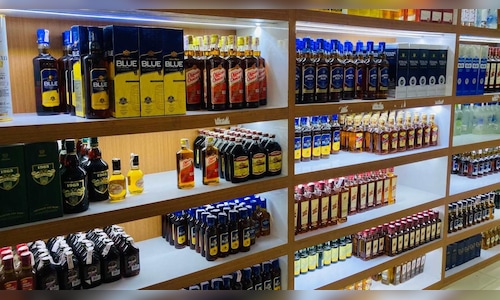

Under the agreement, the import duty on Scotch whisky and gin will be reduced from the current 150% to 75%, with a further reduction to 40% by the tenth year of the deal.
Currently, the import duty makes up about 15% of the retail price of Scotch whisky in India. This duty applies to United Spirits’ luxury and premium portfolio, which contributed 32% to the company’s net sales in financial year 2024.
According to global brokerage firm Citi, reducing the duty could lower retail prices by around 7.5%, assuming other state-level taxes remain unchanged. This price drop could lead to an 8–10% increase in volumes for the luxury and premium segment, driven by higher consumption and new Scotch whisky consumers.
United Spirits: Long-term growth potential
Citi has reiterated its ‘Buy’ rating on United Spirits, with a price target of ₹1,650 per share. The brokerage believes that the company is well positioned to benefit from the acceleration in the premium segment and the long-term growth opportunity in the Indian spirits market.
ALSO READ | Indian alcobev industry’s spirits are down over trade terms
Citi expects United Spirits’ earnings growth to remain resilient, driven by strong near-term trends in its Prestige and Bottled-in-India (BII) portfolio, a potential acceleration in premiumisation, and continued scale-up in Andhra Pradesh over the next three quarters.
Additional tailwinds include favorable policy changes in Uttar Pradesh, and ongoing efforts to improve productivity and revenue growth management, which are expected to help mitigate commodity cost pressures.
“Potential easing of regulations in Delhi could further support long-term growth,” Citi added, while mentioning that it will also monitor strategic initiatives under the company’s new Managing Director and CEO, Praveen Someshwar.
Meanwhile, the Indian alcoholic beverage industry has expressed disappointment over the terms of the FTA between India and the UK, particularly concerning tariff reductions on spirits.
Anant Iyer, Director General of the Confederation of Indian Alcoholic Beverage Companies (CIABC), raised concerns about the tariff structure, saying that the government had initially recommended a gradual reduction to 100% in the first year, eventually reaching a 50% tariff. However, the final agreement reduced the tariff from 150% to 75%, and the proposed 50% has been lowered to 40%.
“We are obviously disappointed with the drop from 150% to 75%. We had recommended a reduction to 100% in the first year, then gradually to 50% over 10 years,” Iyer told CNBC-TV18.
On Tuesday, shares of United Spirits settled 1.26% higher, while Allied Blenders and Radico Khaitan were down 2.64% and 0.047%, respectively.