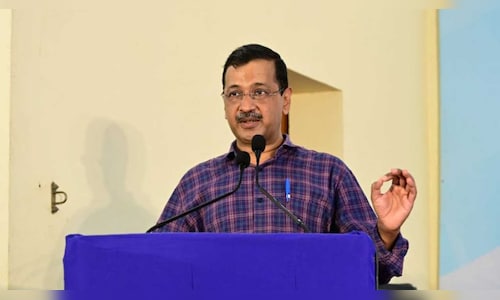
Speaking at the centenary lecture series, “100 Years Journey of RSS: New Horizons”, in New Delhi, Bhagwat highlighted that swayamsevaks work independently across various fields and are solely accountable for their successes or failures. However, he noted, “the Sangh shares the discredit if things go wrong: because it is our swayamsevaks working there.”
He clarified that the RSS does not seek to form pressure groups but rather aims to unite people across India. Citing the Bharatiya Mazdoor Sangh as an example, Bhagwat stated that volunteers bring fresh perspectives in their respective fields while retaining the freedom to act based on their expertise.
He stressed the unbreakable bond between swayamsevaks and the Sangh, founded on mutual communication and support, but insisted, “They will understand what we say and do what they feel like doing.” The Sangh, he added, expects proper functioning and success from these autonomous organisations.
Unity in diversity and a shared civilisational identity
Bhagwat also emphasised that India’s diversity is a source of unity, not division. “Unity is also in diversity… to be united, we don’t need to have uniformity,” he said, underlining that differing ideologies are “not a crime.”
The RSS chief further asserted that all Indians, regardless of faith, share a common ancestry and “DNA for over 40,000 years in akhand Bharat.” Defining the RSS’s concept of a Hindu Rashtra, he clarified, “It does not mean excluding anyone… or opposing anyone,” and affirmed that it is not associated with political power.
He reiterated the autonomy of swayamsevaks, stating, “They will understand what we believe but they will do as they feel,” and underscored that the Sangh’s mission is to unite society and support India’s emergence as a vishwaguru.
Speaking on cultural unity, Bhagwat said, “The DNA of those living in this landmass for over 40,000 years is the same,” adding, “Living in harmony is our culture.” He explained that “Hindu” is defined by shared geography and traditions, noting that some are aware of their Hindu identity but do not acknowledge it, while others are unaware entirely.
Bhagwat stressed devotion to Bharat Mata and ancestral traditions as central unifying forces. Reflecting on India’s development, he remarked that the country has yet to reach its full potential even after 75 years of independence, and called for social transformation: “Everybody will have a role to play.”
He concluded that while political systems may assist, lasting progress must stem from within society. Hindus, he said, believe in coordination, not conflict, and in respecting others’ paths.