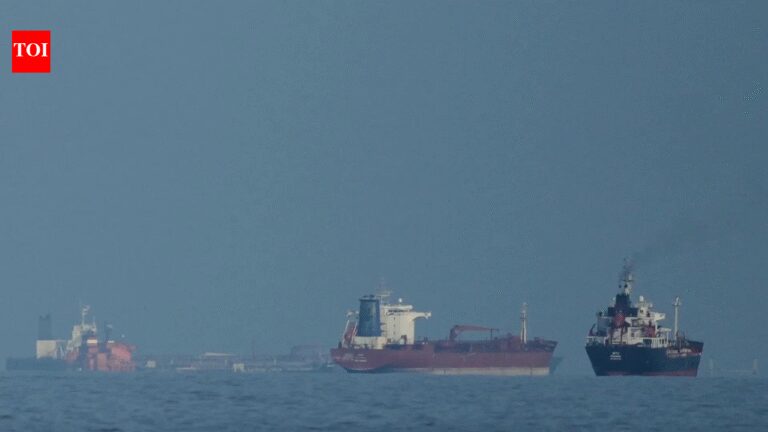

West Texas Intermediate was close to $91, while Brent surpassed $103 a barrel after falling more than 2% on Wednesday. Tehran rebuffed US overtures and set its own demands, including sovereign authority over the vital waterway, while the White House maintained that peace negotiations are still in progress.
According to the semi-official Fars news agency, Iran’s parliament is drafting a measure to impose a levy in exchange for offering protection to ships travelling through the waterway.
Also Read: Asian stocks on edge as Middle East ceasefire talks take centre stage
According to the outlet, which cited an unidentified politician, the proposal is anticipated to be finalised next week.
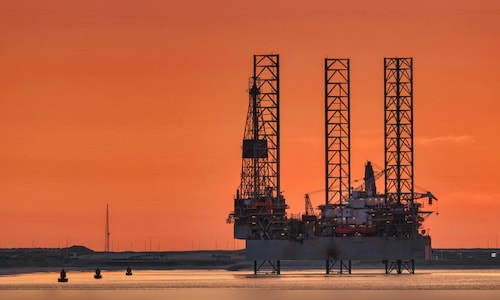
As the turmoil engulfs the energy-rich Middle East and sends shockwaves across the global economy, particularly striking Asia, the global crude benchmark is poised for its largest monthly increase since 1990.
Millions of barrels of daily oil production have been lost due to Hormuz’s near-complete closure, which has also increased product prices.
According to Rob Kapito, president of BlackRock Inc., investors might be underestimating the risks associated with the conflict. Even if we announce tomorrow the war is over,” oil prices might still rise to $150 per barrel since it would take time for supply systems to reach full capacity, Kapito stated at a Melbourne event on Thursday.
(Edited by : Juviraj Anchil)