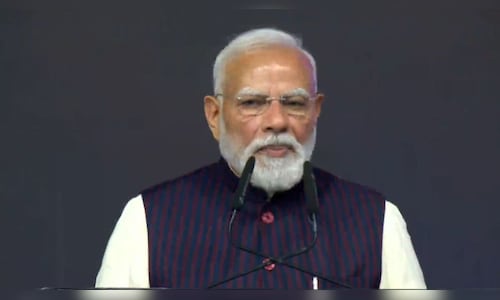

The Prime Minister said the situation remains “dynamic” and requires constant monitoring, with the Centre already running an inter-ministerial group that reviews developments daily and takes timely decisions.
He outlined the government’s key priorities as maintaining economic and trade stability, ensuring energy security, safeguarding citizens’ interests, and keeping industry and supply chains functioning smoothly.
Modi urged states to ensure there are no disruptions in supply chains and to take strict action against hoarding and profiteering. He also asked states to activate control rooms and remain administratively alert to prevent shortages or price spikes.
A key concern flagged during the meeting was agriculture preparedness, with the Prime Minister calling for close monitoring of fertiliser availability and distribution ahead of the upcoming Kharif season.
He also warned against misinformation and rumours, asking states to ensure accurate and timely communication to prevent panic among citizens. Special attention was advised for border and coastal states, particularly on shipping, essential supplies, and maritime operations.
The Prime Minister highlighted that India had successfully handled similar disruptions during the COVID-19 pandemic through Centre-state coordination, and said the same “Team India” approach would be critical now.
Chief ministers, in turn, said the situation remains stable, with adequate availability of petrol, diesel and LPG across states. They welcomed recent measures such as excise duty cuts on fuel and increased allocation of commercial LPG.
States also assured the Centre of full cooperation in managing the evolving situation and safeguarding citizens’ interests as geopolitical tensions continue to pose risks to global energy and supply chains.