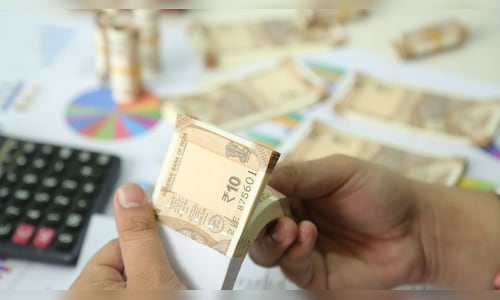

The rupee began the session at 92.57 per US dollar, compared with Thursday’s (April 9’s) close of 92.66. This marks a rise of 9 paise, or roughly 0.10% appreciation, indicating mild early strength.
However, market participants caution that this uptick may not signal a sustained recovery.
A key factor that had been supporting the rupee in recent sessions—the Reserve Bank of India’s directive issued on March 27—has now largely played out. The central bank had imposed limits on banks’ onshore positions, effectively forcing them to offload dollars in the domestic market.
This created temporary support for the local currency.
With most of these positions unwound ahead of the RBI’s Friday deadline, that support has now faded. Bankers note that, without this intervention-driven flow, the rupee may struggle to hold gains.
“If you take the RBI out of the equation, there is little doubt the direction of the rupee is lower,” a currency trader at a bank said, adding that the 92.50 level is likely to act as a strong resistance.
Beyond technical factors, broader macro pressures remain firmly in place.
Elevated crude oil prices continue to weigh on the rupee. After briefly falling following the Iran ceasefire announcement, oil has edged higher again, with Brent crude for June delivery hovering around $96.70 per barrel, still well above pre-conflict levels. Uncertainty over the durability of the U.S.–Iran truce has kept markets cautious.
At the same time, foreign investment flows into Indian equities remain weak. In the two sessions following the ceasefire, foreign investors have continued to be net sellers. While the pace of outflows has moderated, persistent selling reflects cautious sentiment toward Indian assets.
–With Reuters inputs
First Published: Apr 10, 2026 9:12 AM IST