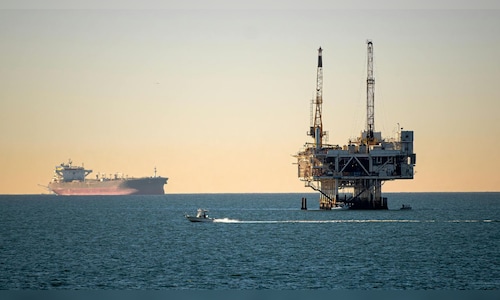

In a note last week, Hartnett flagged how oil prices doubled to $140 per barrel by August 2008 from just around $70 in July 2007, along with the start of the “subprime tremors” in the US housing market. Crude oil prices have already surged as much as 60% this year as the US-Iran war has sent both Brent and US crude back above $100 a barrel for the first time since 2022.
“Asset performance in 2026 is more ominously close to price action seen from mid’07 to mid’08,” Hartnett said in a note. Wall Street is “ominously trading ‘07-’08 analog,” Hartnett wrote in his note.
Stress around the US private credit market is another underlying headwind that is being overshadowed by the West Asia war. Multiple lenders such as JPMorgan and Morgan Stanley have capped redemptions to their largest private credit funds. That, along with scrutiny of underwriting standards, and the impact of artificial intelligence on some borrowers has also caused volatility on Wall Street.
Hartnett further observed that an ECB rate hike in July 2008, on a day the oil prices also peaked, became one of the “greatest policy mistakes of all time.” The ECB then cut rates by 325 basis points in the next 74 days, as the collapse of the Lehmann Brothers coincided with the drop of oil to $40 a barrel.
ECB governing council member Peter Kazimir said last week that the West Asia conflict and its impact on inflation risk could push the ECB to raise rates sooner than anticipated.
For the moment, the market consensus is still pricing a conflict in Iran that won’t be long and that the issues in private credit aren’t systemic, according to Hartnett.
Hartnett’s Recommendation
According to the BofA analyst, the bigger risk to US stocks comes from earnings, due to the rising oil prices and tightening financial conditions, and not inflation.
He has recommended selling oil above $100 per barrel and the US Dollar index above 100, and buying the 30-year US treasury above the 5% mark. He also recommends buying the S&P 500 under levels of 6,600.
(With Inputs From Agencies)