
 1 / 6
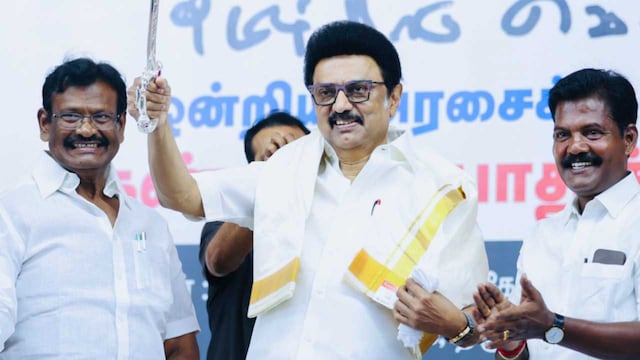
1 / 6On August 26, Tamil Nadu Chief Minister MK Stalin inaugurated the expansion of the ‘Chief Minister’s Breakfast Scheme,’ part of the flagship initiatives of the DMK government, to urban areas in the state. The expansion marks the 5th phase of the scheme’s implementation, which is set to benefit 3.06 lakh more children belonging to 2,429 schools. With the fresh launch today, a total of 20.59 lakh children will benefit from the CM’s Breakfast Scheme in the state.
2 / 6On August 22, Stalin participated in the launch of 17 new projects by the Hindu Religious and Charitable Endowments department, with a total outlay of ₹124.97 crore. The new projects include the construction of devotees’ waiting areas, lodges, conference halls, and parking facilities at prominent temples such as the Arulmigu Arunachaleswarar Temple (Tiruvannamalai) and the Arulmigu Nachiyar Temple (Srivilliputhur). The CM inaugurated 14 completed projects across 11 temples, worth ₹51.19 crore.
3 / 6On August 19, Stalin rolled out Muthalvarin Kaakkum Karangal scheme, with an initial funding of ₹24.43 crore (expanding to ₹50.5 crore), to aid ex-servicemen in launching businesses. Benefits include up to ₹1 crore loans, a 30% capital subsidy, and a 3% interest subsidy. Additionally, Stalin handed out appointment letters to new highway department recruits as part of infrastructure staffing.
4 / 6Stalin launched the ‘Chief Minister’s Thayumanavar Scheme’, meant to deliver ration items to senior citizens and beneficiaries with disabilities at their homes. The state government said the scheme will benefit more than 21.7 lakh people, which includes about 20.42 lakh senior citizens above 70 years of age and over 1.27 lakh differently abled beneficiaries. The scheme will cost the state government ₹30.16 crore.
5 / 6In April, Stalin stated that the marriage advance for government employees would be substantially raised. Currently set at ₹10,000 for women and ₹6,000 for men, it will be increased to ₹5 lakh for both.
6 / 6Stalin declared a 2% hike in DA, effective from April 1, 2025, which would benefit around 16 lakh employees, teachers, pensioners, and those availing family pensions. This revision would require an additional annual outlay of ₹1,252 crore