
Duggad added, “All the stocks in our Model Portfolio are discretionary consumption stocks. We have a huge weight on jewellery. Titan has been our long standing favourite stock. We also like some of the other stocks in that segment, which got listed recently, something like a PN Gadgil and Kalyan Jewellers. We like hotels. We have been holding Indian Hotels since ₹100. We like liquor, so we replace Hindustan Unilever with Radico Khaitan.”

Duggad acknowledged that high gold prices have dented demand in the near term but pointed to structural drivers that remain intact.
“India consumes 650 tonnes of gold annually, largely driven by weddings. While buyers may shift to lighter jewellery or use old gold exchange, the value of transactions remains resilient. Importantly, the shift from unbranded to branded jewellery is only 40% complete, leaving significant headroom for growth,” he explained.
On consumer tech, Duggad highlighted the convenience-driven adoption of quick commerce and food delivery. Despite strong growth in recent years, penetration is still largely limited to metro and tier-1 markets.
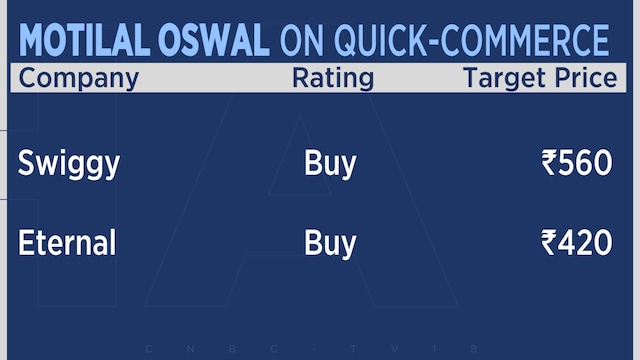
“The industry is now moving toward profitability, with players moderating expansion and focusing on unit economics. We have a buy rating on both Zomato and Swiggy and also like some unlisted players. In our view, at least one or two large winners will emerge over the next five to ten years, creating significant value for investors,” he said.
According to Duggad, nearly 60% of India’s GDP comes from private final consumption expenditure, and policy moves in 2025 have signalled a decisive tilt toward supporting it. After years of prioritising infrastructure and manufacturing, the government has introduced income tax cuts, GST 2.0 rationalisation, and liquidity infusion by the RBI—measures that have already started showing signs of reviving demand.
Pent-up demand is expected to be released in the short term, supported by rising disposable incomes that could boost discretionary spending. Both urban and rural consumption are anticipated to recover together, a trend not seen in several years.
For the full interview, watch the accompanying video