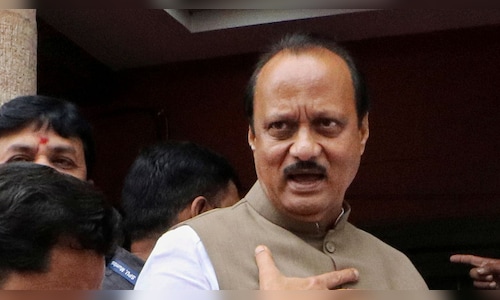

Though no official explanation has been given, the message from the Centre seems unmistakable: Ajit Pawar’s group may have legal recognition, but it is yet to earn political legitimacy on the national stage.
Despite being part of the ruling Mahayuti alliance in Maharashtra, the Ajit-led NCP is largely viewed as a regional entity with limited parliamentary influence. Currently, the faction has only one Lok Sabha MP Sunil Tatkare and two Rajya Sabha MPs—Praful Patel and Sunetra Pawar. Given this modest national footprint, sources in Delhi suggest the party simply doesn’t meet the informal criteria typically considered for international delegations, such as central roles, committee presence, or diplomatic experience.
In contrast, the Sharad Pawar-led NCP (often referred to as NCP-SP) has managed to hold onto symbolic but influential positions in national discourse. Baramati MP Supriya Sule, a three-time parliamentarian known for her well-researched speeches and cross-party rapport, has been selected to represent India in one of the delegations. Her inclusion reflects not just her individual merit, but also Sharad Pawar’s continued goodwill in Delhi’s power corridors.
Read more: 7 delegations, 1 mission: India launches global diplomatic blitz to expose Pakistan’s terror links
“I am honoured to join the all-party delegation representing India on the global stage… Our mission is to convey India’s united and unwavering message of zero tolerance against terrorism,” Supriya wrote on X (formerly Twitter) to express her gratitude.
Her presence, many believe, is also a nod to Sharad Pawar’s measured, statesmanlike conduct in recent months—especially after “Operation Sindoor,” where his MLAs defected but he refrained from aggressive retaliation, even extending cooperation to the Centre during all-party meetings.
That goodwill appears to be missing in the case of Ajit Pawar’s faction, despite senior leaders like Praful Patel, a former Union minister with significant international exposure. Instead of Patel, the government chose Shiv Sena UBT’s Priyanka Chaturvedi , Shiv Sena MP Shrikant Shinde signalling a deliberate preference. Political observers say this reflects BJP’s broader alliance management strategy.
The Mahayuti coalition, which includes Ajit’s NCP and Eknath Shinde’s Shiv Sena, has seen growing friction over distribution of funds in the state as Ajit hold Finance department. By leaving out Ajit Pawar’s representatives, the BJP may be asserting its dominance within the alliance and subtly reinforcing the power hierarchy—reminding newer allies that national recognition must be earned, not assumed.
Read more: Bombay HC orders police to clear abandoned vehicles clogging Mumbai’s public roads
Moreover, Ajit Pawar’s current responsibilities remain largely confined to Maharashtra, particularly in finance and state planning. His faction’s absence in Union Cabinet roles or key parliamentary committees dealing with foreign affairs further weakens its claim for inclusion in diplomacy-focused delegations.
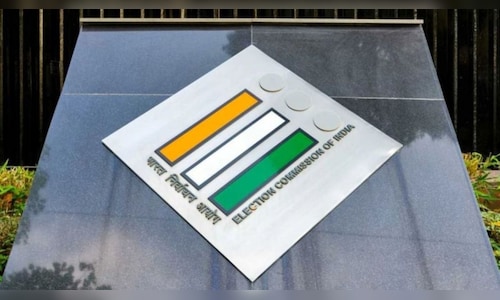
While the Election Commission has given Ajit Pawar’s NCP legal legitimacy, in the BJP-led power calculus, political capital is measured not just by numbers but by utility in Delhi’s policy ecosystem. The exclusion from the delegations is, therefore, more than a technicality—it’s a layered political signal. It reminds Ajit Pawar’s NCP that while it may control portfolios in Mumbai, it must still climb the rungs of national relevance to be seen as an equal partner in the larger scheme of Indian politics.
Requests for comments from the NCP leaders and party spokespersons to know the formal position of the party on this issue, went unanswered.
One of the leaders on the condition of anonymity told that only Party state president can talk on this issue. However, NCP State President Sunil Tatkare is yet to respond to the queries.